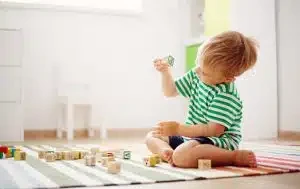
Parents know that the holiday season means kids will be getting gifts. Between you and your extended family members all purchasing presents for your children during the festive time of the year, kids are likely to get a big haul and have lots of new toys to enjoy.
This should be a joyous time for children who get to have fun trying out a host of new toys. Unfortunately, for hundreds of thousands of kids each year, a fun new toy could actually turn harmful. If toys have defects or problems, kids could be hurt by their holiday presents or could even be killed. Parents need to understand the dangers of new toys, be cautious, and take appropriate steps to prevent accidents this holiday season by making careful choices about gifts for kids.
According to the Consumer Product Safety Commission, a total of 254,200 toy-related injuries occurred in 2015 which sent children to emergency departments in hospitals across the country. Injuries due to toys can happen for lots of different reasons, including a defect when the toy is used as intended and an injury which happens because parents were not properly warned of the risk the toy presented to their kids.
Parents should be aware of the problems which can occur with toys, which range from issues like small pieces of the toy falling off and creating a choking hazard to the presence of lead paint or other unsafe components. Electronic toys can also malfunction in dangerous ways, including overheating. Some toys have inherent risks, and if they do, the product should come with a clear warning label and an indication of the age groups the toy is appropriate for.
When buying a toy, parents should also check with the Consumer Product Safety Commission (CPSC) before purchasing to find out if there are any open recalls or alerts on the item they are considering. If a gift to a child comes from some other relative or friend and is not purchased by a parent, parents should still check out CPSC to make sure it is a safe toy. This check should be done before the toy is actually given to children.
Parents may also want to be cautious about buying older used toys at places like garage sales or flea markets. Older toys may not have been subject to the same safety standards as newer products, and it could be much more difficult or even impossible to find out if a recall might have happened with an older model toy if you do not have the model number.When you find out about a recalled toy, you should take the product away from the child right away.
If a toy turns out to have a defect and a child gets injured because of it, parents should understand their right to pursue a claim for compensation on behalf of the injured child.